

13690130013
The following is a system analysis for warehousing multi-layer shelves, combined with structural characteristics:
Core types and structural characteristics
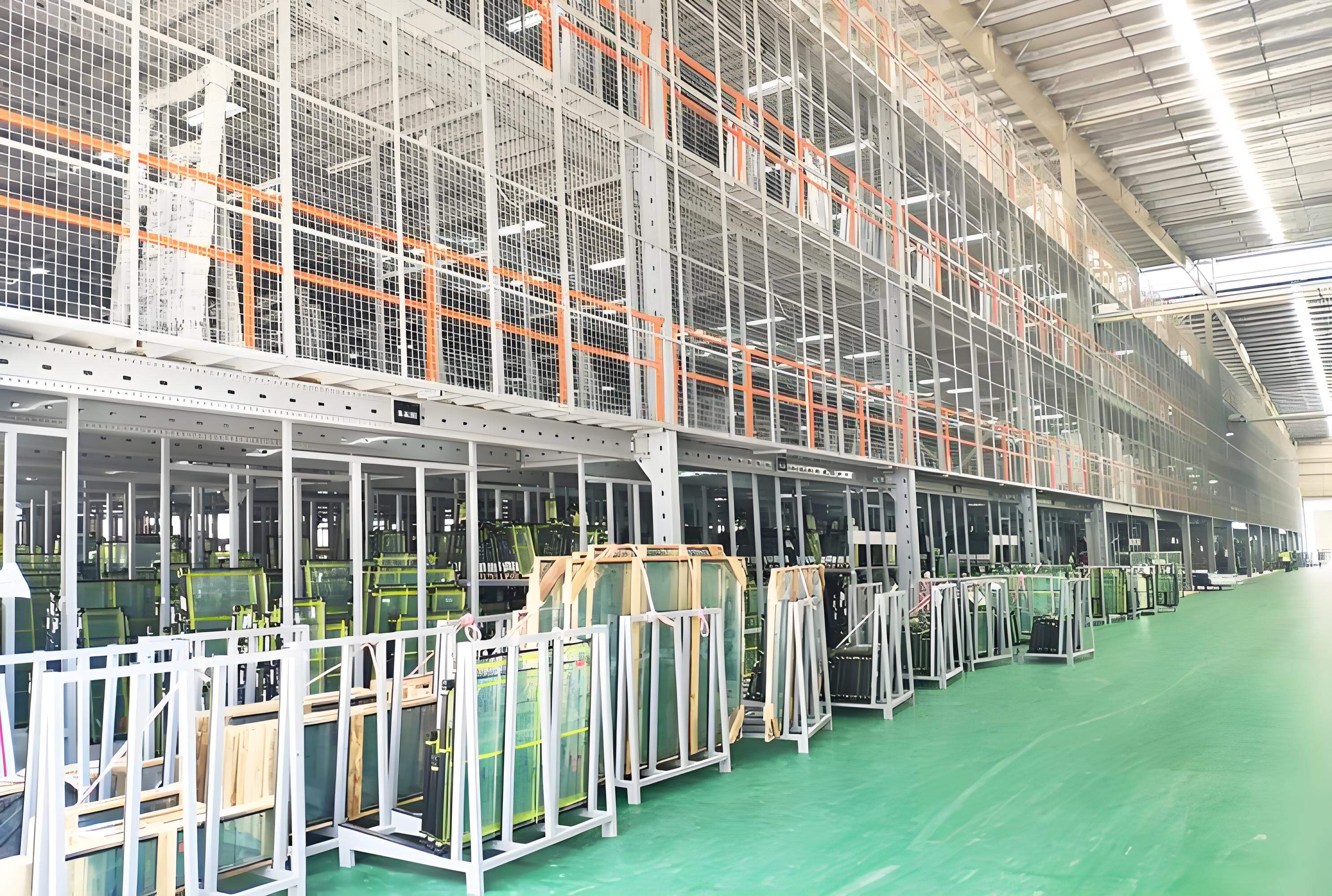
Loft shelves
Structure: With medium/heavy shelves as the support body, a 2-4-story steel structure platform is built. The floor is made of cold-rolled steel or patterned steel plate, with a floor height of 2.2-2.7m.
Advantages: The space utilization rate has increased by 180%, the lower layer is suitable for the mechanical access of the tray, and the upper layer is suitable for manual sorting of small parts.
Scene: High-frequency access scenarios of hardware tools, electronic components, drugs and other small parts.
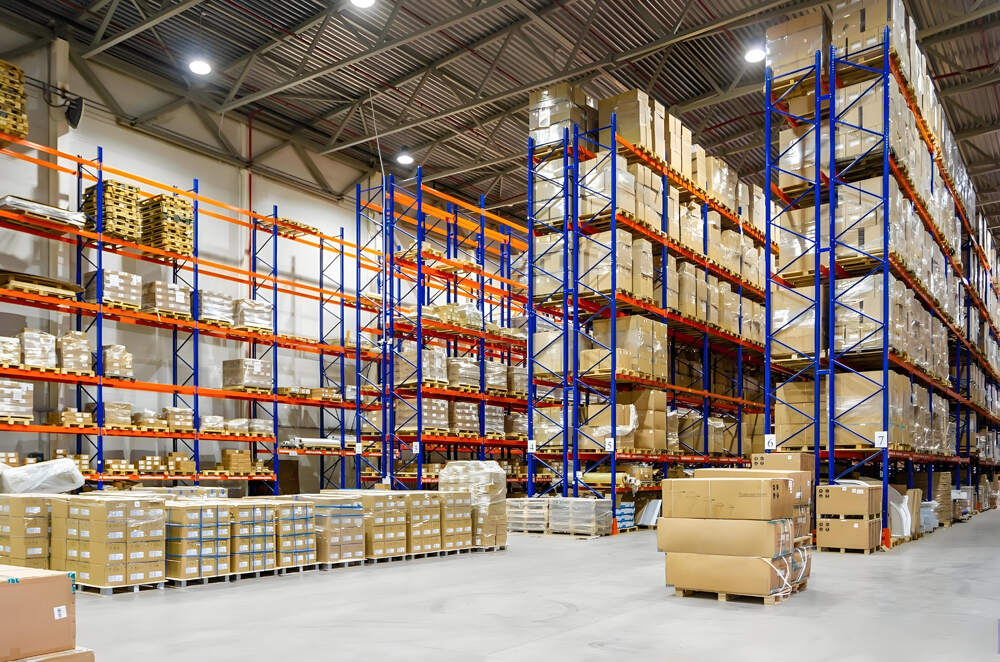
Beam pallet shelves
Design: Column + beam insertion structure, adjustable layer height of 75mm, single-layer load-bearing ≤5000kg, depth 0.8-1.2m.
Applicability: Strong versatility, support forklift operation, channel width ≥3m.
Case: Manufacturing raw material warehouse, e-commerce warehouse large-scale tray storage.
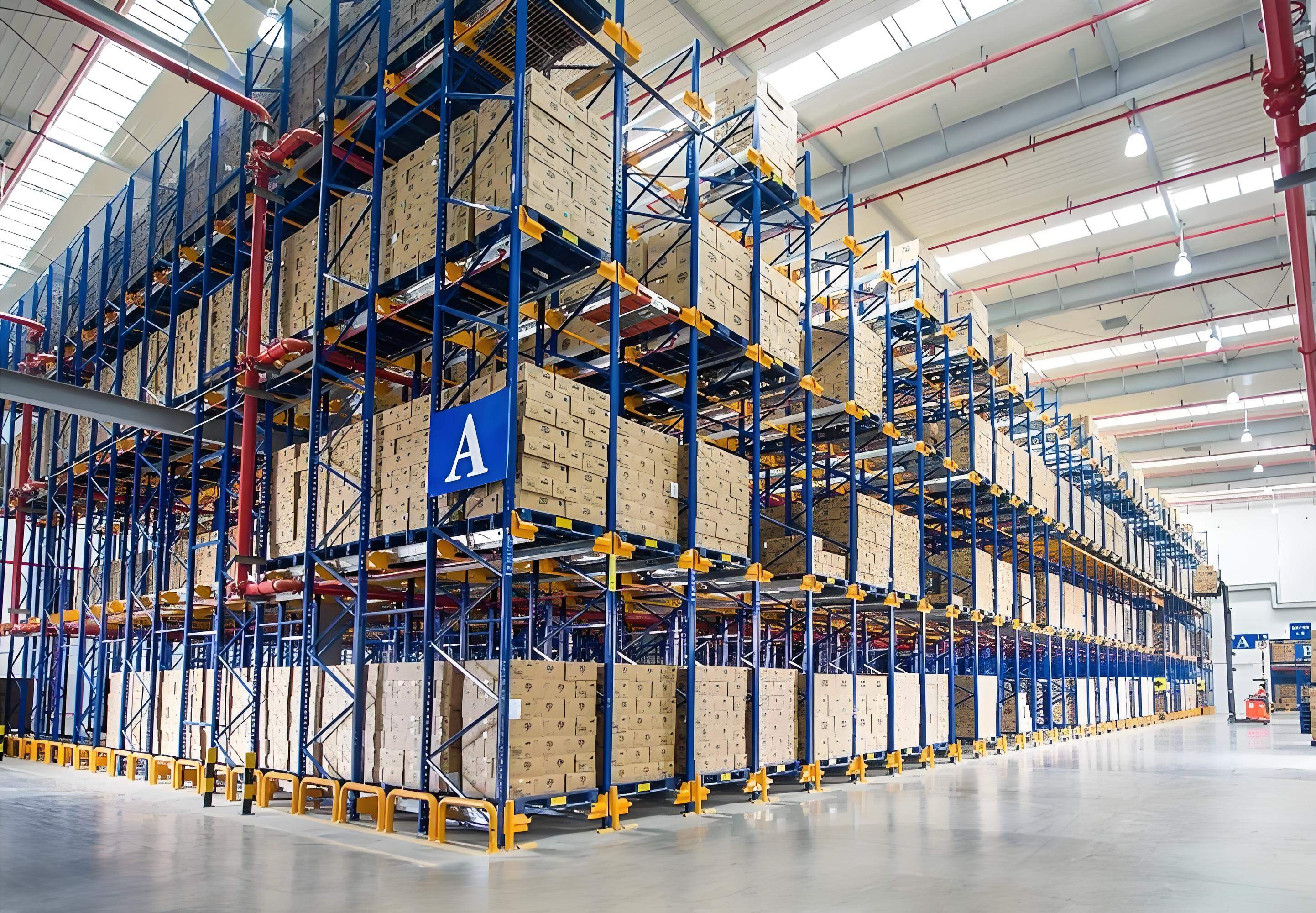
Pass-through shelves (inbound)
Features: Continuous cargo space no channel design, cargo depth storage (5-20 pallets/channel), space utilization rate of 60%.
Limitations: Only advanced back-out (FILO) is supported, and the shelf height is ≤ 10m.
Typical scenario: large-scale storage of small varieties of food cold chain and tobacco.
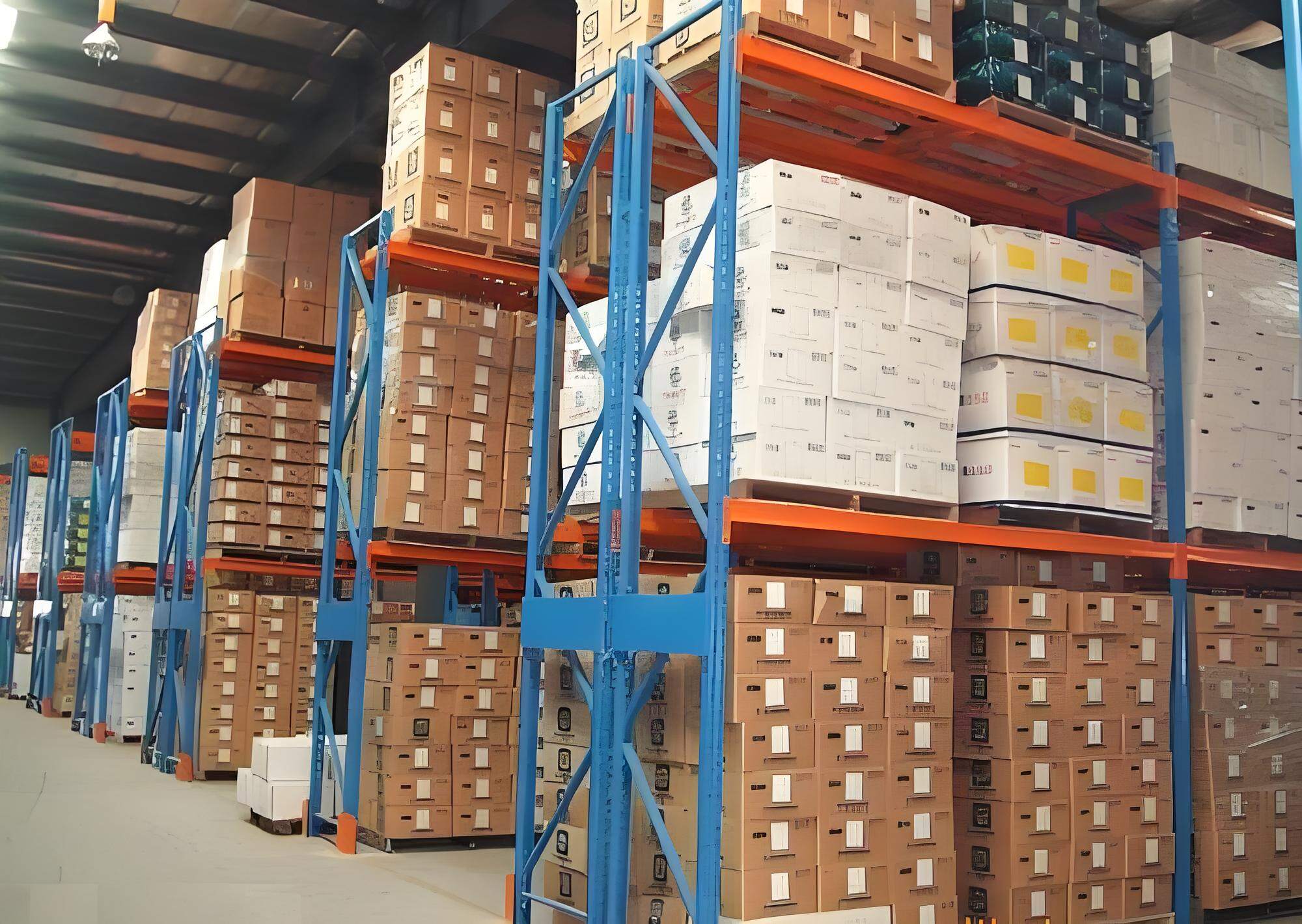
Heavy-duty laminated shelves
Configuration: diamond hole column + removable beam, steel (with reinforcement bar), wood or steel mesh (breathable demand), single-layer load-bearing 500-2000kg.
Scalability: Unlimited connection of the main and secondary frame, suitable for high-level storage in the automated warehouse.
Stacked drawer shelves
Innovative design: modular drawer structure, 90% extraction rate, single-layer load-bearing 0.5-2 tons, layer height ≥400mm.
Value: Solve the problem of scratch prevention of special-shaped parts such as plates and molds, with a ventilation area of more than 40%.